

Expert Wisdom Teeth Extraction by Board-Certified Oral Surgeon Dr. William Graves
Wisdom teeth removal is one of the most common oral surgery procedures performed today—and for good reason. These late-arriving molars cause problems for the majority of patients, from painful impaction to crowding that threatens the alignment of your entire smile. At Prosper Wisdom Teeth & Dental Implants, Dr. William Graves brings over 15 years of experience as a board-certified oral and maxillofacial surgeon to every wisdom teeth extraction, ensuring you receive safe, comfortable, and expert care.
Whether your wisdom teeth are already causing discomfort or your dentist has recommended preventive removal, our team is here to guide you through every step of the process.
Ready to schedule your consultation? Call 469-296-8757 or request an appointment online.
What Are Wisdom Teeth?
Wisdom teeth, clinically known as third molars, are the last set of teeth to develop and emerge in the mouth. Located at the very back of the jaw—one in each corner—these four teeth typically appear between the ages of 17 and 25, a time traditionally associated with the onset of maturity and “wisdom,” hence their name.
Unlike our ancestors, who relied on these extra molars to chew tough, uncooked foods, modern humans have evolved smaller jaws that often lack the space to accommodate wisdom teeth. This mismatch between jaw size and tooth development is the root cause of most wisdom teeth complications.
While some patients’ wisdom teeth emerge fully and function normally, the majority of people experience some form of complication that makes removal the wisest choice for long-term oral health.
Why Choose Prosper Wisdom Teeth & Dental Implants?
Prosper Wisdom Teeth & Dental Implants serves Prosper, TX, and surrounding areas with expert oral surgery care designed to improve your oral health and quality of life.
Dr. William Graves is a board-certified oral and maxillofacial surgeon who has helped hundreds of patients throughout his 15+ years in practice. Board certification represents the highest level of education, training, and competence in the specialty of oral and maxillofacial surgery—giving you confidence that your procedure is in expert hands.
Our entire team is committed to providing compassionate, patient-centered care. We take the time to thoroughly explain your diagnosis and treatment options, answer all of your questions, and ensure you feel comfortable and informed before, during, and after your procedure.
Reasons for Wisdom Teeth Removal
Wisdom teeth are not necessary for a healthy bite and tend to cause more problems than benefits. Due to this, many wisdom teeth are removed as a preventive measure—before complications arise. However, wisdom teeth removal may also be recommended for patients already experiencing symptoms.
Common Reasons Wisdom Teeth Need to Be Removed
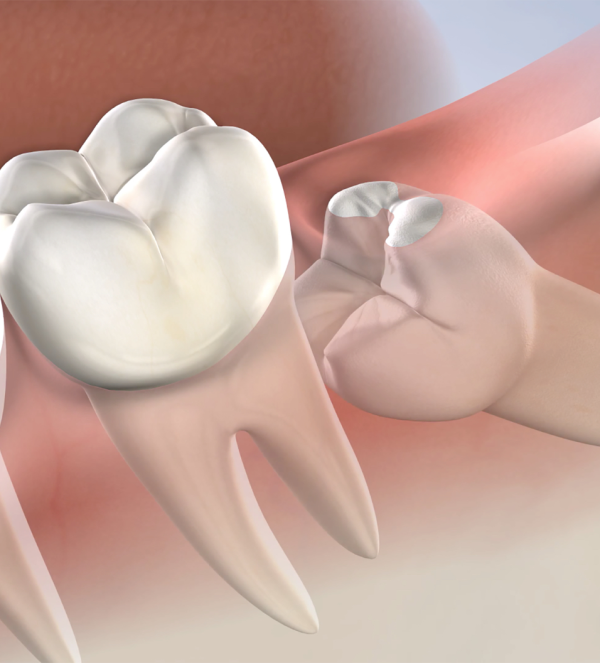
Impaction When there isn’t enough room for wisdom teeth to emerge normally, they can become impacted—meaning they’re trapped beneath the gums, within the jawbone, or growing at an angle. Impacted wisdom teeth can cause significant pain, swelling, and damage to adjacent teeth. There are several types of impaction:
- Soft Tissue Impaction: The tooth has emerged through the bone but remains partially or fully covered by gum tissue
- Partial Bony Impaction: The tooth has partially emerged but a portion remains trapped in the jawbone
- Complete Bony Impaction: The tooth is entirely encased within the jawbone
- Angular Impaction: The tooth is tilted or growing sideways, often pressing against the second molar
Infection & Gum Disease As wisdom teeth begin to erupt, they often create pockets or flaps of gum tissue that trap food particles and bacteria. These areas are extremely difficult to clean, making them prime locations for infection (pericoronitis), inflammation, and periodontal disease. Symptoms may include swelling, pain, bad breath, and difficulty opening the mouth.
Crowding & Shifting When wisdom teeth attempt to emerge in a mouth that lacks adequate space, they can push against neighboring teeth. This pressure can cause the other teeth to shift, leading to crowding, misalignment, and bite problems. Patients who have invested in orthodontic treatment are particularly at risk of having their results compromised by emerging wisdom teeth.
Tooth Decay Due to their location at the very back of the mouth, wisdom teeth are notoriously difficult to reach with a toothbrush and floss. This makes them significantly more prone to cavities and decay than other teeth. When wisdom teeth develop cavities, the decay can also spread to adjacent healthy teeth.
Cysts & Tumors In some cases, impacted wisdom teeth can lead to the development of cysts (fluid-filled sacs) within the jawbone. Left untreated, cysts can damage the jawbone, surrounding teeth, and nerves. Though rare, tumors can also develop in association with impacted teeth.
Pain & Discomfort Even when other complications aren’t immediately apparent, wisdom teeth frequently cause chronic discomfort, pressure in the gums and jaw, headaches, and pain that radiates to the ear or neck.
Damage to Adjacent Teeth Impacted or poorly positioned wisdom teeth can press against the roots of neighboring molars, potentially causing damage, decay, or bone loss that puts otherwise healthy teeth at risk.
Signs You May Need Your Wisdom Teeth Removed
Not sure if your wisdom teeth are causing problems? Here are common signs and symptoms that may indicate it’s time for an evaluation:
- Pain or tenderness in the back of your mouth
- Swollen, red, or bleeding gums near the back molars
- Jaw pain or stiffness
- Difficulty opening your mouth fully
- Persistent bad breath or an unpleasant taste
- Headaches or earaches
- Swelling in the jaw or cheek
- Crowding or shifting of other teeth
- Difficulty chewing or biting
- Recurring infections or gum disease in the back of the mouth
Even if you’re not experiencing symptoms, your dentist may recommend wisdom teeth removal based on X-rays that show potential problems developing beneath the surface. Preventive removal is often easier and involves fewer complications than waiting until problems become severe.
The Wisdom Teeth Removal Process
At Prosper Wisdom Teeth & Dental Implants, we’ve streamlined the wisdom teeth removal process to make your experience as smooth and stress-free as possible. Here’s what to expect:
Step 1: Consultation & Examination
Your journey begins with a comprehensive consultation at our Prosper office. During this appointment, Dr. Graves will:
- Review your medical and dental history to ensure wisdom teeth removal is safe and appropriate for you
- Perform a thorough oral examination to assess the position and condition of your wisdom teeth
- Take digital X-rays or 3D imaging to visualize the exact position of your wisdom teeth, their relationship to surrounding structures (including nerves and sinuses), and the type of impaction present
- Discuss your symptoms and any concerns you may have
- Explain your diagnosis and why removal is or isn’t recommended
- Present your treatment plan including anesthesia options, what to expect during and after surgery, and estimated costs
- Answer all of your questions so you feel fully informed and confident
If wisdom teeth removal is recommended, we’ll work with you to schedule your procedure at a time that’s convenient for your schedule.
To schedule your consultation, call 469-296-8757.
Step 2: Pre-Operative Preparation
Proper preparation helps ensure a safe procedure and smooth recovery. Before your surgery date, our team will provide you with detailed pre-operative instructions. General guidelines include:
The Week Before Surgery
- Fill any prescriptions provided (antibiotics, pain medication, anti-nausea medication) so they’re ready when you need them
- Arrange for a responsible adult to drive you to and from your appointment—you will not be able to drive yourself after receiving anesthesia
- Plan to have someone stay with you for the first 24 hours after surgery
- Stock up on soft foods for your recovery (yogurt, applesauce, soup, mashed potatoes, smoothie ingredients, etc.)
- Avoid scheduling any important obligations for 3-5 days after surgery
The Night Before Surgery
- If receiving IV sedation or general anesthesia, do not eat or drink anything after midnight (or as directed by our team)
- Get a good night’s rest
- Prepare a comfortable recovery area at home with extra pillows to keep your head elevated
The Morning of Surgery
- If permitted, take any regular medications with a small sip of water as directed
- Brush your teeth before arriving
- Wear comfortable, loose-fitting clothing with short sleeves (for IV access)
- Remove contact lenses, jewelry, and facial piercings
- Do not wear makeup, lipstick, or nail polish
- Leave valuables at home
- Arrive at your scheduled time—or earlier if requested to complete paperwork
Important Medical Considerations Please inform our office if you:
- Have any allergies to medications
- Are taking blood thinners or aspirin
- Have a history of bleeding disorders
- Have any heart conditions or artificial joints
- Are pregnant or may be pregnant
- Have diabetes or other medical conditions
- Have experienced any illness (cold, flu, fever) in the days leading up to surgery
Step 3: Anesthesia Options
Your comfort during wisdom teeth removal is a top priority. Dr. Graves offers several anesthesia options to ensure you have a pain-free experience. The right choice depends on the complexity of your case, your anxiety level, and your personal preferences.
Local Anesthesia Local anesthesia numbs the surgical area while you remain fully awake and alert. You won’t feel pain during the procedure, though you will be aware of pressure and movement. This option may be appropriate for simple extractions in patients who are comfortable with dental procedures.
Nitrous Oxide (Laughing Gas) Nitrous oxide is inhaled through a small mask and produces a relaxed, calm feeling while you remain conscious. It works quickly, wears off rapidly after the mask is removed, and can be combined with local anesthesia for enhanced comfort.
IV Sedation (Twilight Sedation) IV sedation is administered directly into the bloodstream through a small needle in your arm. You’ll enter a deeply relaxed, drowsy state and likely have little to no memory of the procedure. While not fully unconscious, you’ll be unaware of the surgery and won’t feel any pain. This is the most popular option for wisdom teeth removal.
General Anesthesia For complex cases or patients with significant anxiety, general anesthesia renders you completely unconscious throughout the procedure. You’ll have no awareness or memory of the surgery.
During your consultation, Dr. Graves will discuss the anesthesia options available for your specific situation and help you choose the approach that’s right for you.
Step 4: The Wisdom Teeth Removal Procedure
On the day of your surgery, you’ll be welcomed by our friendly team and escorted to a comfortable treatment room. Here’s what happens during the procedure:
Preparation
- Monitors may be placed to track your vital signs (heart rate, blood pressure, oxygen levels)
- Your chosen anesthesia will be administered
- Once you’re comfortable and numb (or sedated), Dr. Graves will begin the procedure
The Extraction Process The specific technique used depends on whether your wisdom teeth have erupted or are impacted:
For Erupted Wisdom Teeth: If the tooth has fully emerged through the gums, Dr. Graves will use specialized instruments to gently loosen the tooth from the surrounding ligaments and bone, then carefully remove it from the socket.
For Impacted Wisdom Teeth: Impacted teeth require a more involved surgical approach:
- A small incision is made in the gum tissue to expose the tooth and underlying bone
- If bone is covering the tooth, a small amount may be carefully removed to access the tooth
- The tooth may be divided into smaller sections to allow for easier, less invasive removal
- Each section is carefully extracted
- The surgical site is thoroughly cleaned to remove any debris
- Stitches (sutures) are placed to promote proper healing—these are typically dissolvable and don’t require removal
Procedure Duration The length of your procedure depends on the number of teeth being removed and the complexity of each extraction. In most cases, wisdom teeth removal takes approximately 45 minutes to one hour. More complex cases may take slightly longer.
Immediate Post-Procedure Once the procedure is complete:
- Gauze pads will be placed over the extraction sites to help control bleeding
- You’ll be moved to a recovery area where our team will monitor you as the anesthesia wears off
- Once you’re alert and stable, we’ll provide post-operative instructions and prescriptions
- Your designated driver will be brought in to take you home
What Makes Wisdom Teeth Removal Different for Teens vs. Adults?
While wisdom teeth can be removed at any age, the procedure is often easier and recovery tends to be faster for younger patients. Here’s why timing matters:
Teenagers & Young Adults (Ages 15-25)
- Wisdom tooth roots are not yet fully formed, making extraction less complex
- Bone is softer and more flexible
- Healing capacity is typically faster
- Lower risk of complications
- Prevents future problems before they develop
Adults Over 25
- Roots are fully developed and may be longer, curved, or intertwined with nerves
- Bone is denser, potentially requiring more extensive surgery
- Recovery may take longer
- Higher likelihood of existing complications (decay, infection, cysts)
- Still highly successful with proper surgical technique
Regardless of your age, Dr. Graves has the expertise to safely and effectively remove wisdom teeth for patients at any stage of life.
Benefits of Wisdom Teeth Removal
Choosing to have your wisdom teeth removed—whether as a preventive measure or to address existing problems—offers numerous benefits for your oral health:
- Eliminates pain and discomfort caused by impaction, infection, or pressure
- Prevents damage to adjacent teeth from crowding and decay
- Protects your orthodontic investment by preventing shifting and crowding
- Reduces risk of infection and gum disease in hard-to-clean areas
- Prevents cyst and tumor formation associated with impacted teeth
- Improves overall oral hygiene by eliminating hard-to-reach teeth
- Avoids more complex procedures that may be needed if problems worsen over time
- Provides peace of mind knowing potential issues have been addressed
Frequently Asked Questions About Wisdom Teeth Removal
Does it hurt to get wisdom teeth removed?
During the procedure, you won’t feel any pain thanks to anesthesia. Most patients who choose IV sedation have no memory of the surgery at all. After the procedure, once the anesthesia wears off, some soreness and swelling is normal and expected. This discomfort can be effectively managed with pain medication prescribed by Dr. Graves or over-the-counter options like ibuprofen.
How long does wisdom teeth removal take?
The procedure typically takes 45 minutes to one hour, depending on the number of teeth being removed and the complexity of the extractions. You should plan to be at our office for approximately 1.5-2 hours total to allow time for preparation, the procedure itself, and initial recovery.
How many wisdom teeth will be removed?
Most people have four wisdom teeth, and it’s common to have all four removed during the same procedure. However, some patients may have fewer than four (or none at all), while others may have extra wisdom teeth. Dr. Graves will determine exactly how many teeth need to be removed during your consultation based on X-rays and examination.
What are the risks of wisdom teeth removal?
Wisdom teeth removal is a routine procedure with a high success rate. However, as with any surgery, there are potential risks including infection, dry socket (when the blood clot is dislodged from the extraction site), temporary or rarely permanent numbness if nerves are affected, and excessive bleeding. Dr. Graves will discuss these risks with you and takes every precaution to minimize complications.
What is dry socket?
Dry socket occurs when the blood clot that forms in the extraction site is dislodged or dissolves too early, exposing the underlying bone and nerves. This can cause significant pain typically beginning 2-4 days after surgery. Dry socket can be prevented by following aftercare instructions carefully—especially avoiding straws, smoking, and spitting. For detailed prevention and recovery information, see our Wisdom Teeth Removal Recovery & Aftercare page.
How long is recovery from wisdom teeth removal?
Most patients feel significantly better within 3-7 days, with the majority of swelling and discomfort occurring in the first 2-3 days. Full healing of the extraction sites takes approximately 3-4 weeks. Recovery time varies based on the complexity of your case and how well you follow aftercare instructions. Visit our Wisdom Teeth Removal Recovery & Aftercare page for comprehensive post-operative care instructions.
Do I have to get my wisdom teeth removed?
Not everyone needs their wisdom teeth removed. If your wisdom teeth have fully erupted, are properly aligned, healthy, and able to be cleaned effectively, removal may not be necessary. However, even asymptomatic wisdom teeth can develop problems later, so regular monitoring with X-rays is important. Dr. Graves will provide an honest assessment of whether removal is recommended based on your specific situation.
Can I be asleep during the procedure?
Yes. IV sedation and general anesthesia options are available that allow you to be completely unaware of the procedure. Most patients choose IV sedation, which produces a deeply relaxed state with little to no memory of the surgery. Dr. Graves will discuss anesthesia options during your consultation.
Will I need someone to drive me home?
Yes. If you receive any form of sedation beyond local anesthesia, you will not be able to drive yourself home. Please arrange for a responsible adult to accompany you to your appointment and drive you home afterward. We also recommend having someone stay with you for the first 24 hours after surgery.
How much does wisdom teeth removal cost?
The cost of wisdom teeth removal varies depending on the number of teeth being extracted, the complexity of the extractions (erupted vs. impacted), and the type of anesthesia used. During your consultation, we’ll provide a detailed estimate of costs. We accept most major dental insurance plans and offer financing options to help make your care affordable. Our team is happy to help you understand your insurance benefits and out-of-pocket costs.
What if I'm nervous about the procedure?
Dental anxiety is completely normal, and our team is experienced in helping nervous patients feel at ease. We take time to explain every step of the process, answer all your questions, and offer sedation options that allow you to relax completely during your procedure. Many patients tell us their experience was much easier than they anticipated.
Recovery After Wisdom Teeth Removal
Proper post-operative care is essential for a smooth recovery and optimal healing. Following your procedure, Dr. Graves and our team will provide you with detailed aftercare instructions covering pain management, swelling reduction, diet, oral hygiene, activity restrictions, and warning signs to watch for.
For comprehensive recovery guidance, visit our dedicated Wisdom Teeth Removal Recovery & Aftercare page.
Schedule Your Wisdom Teeth Consultation in Prosper, TX
Don’t let wisdom teeth pain disrupt your life or put your oral health at risk. Whether you’re experiencing symptoms or simply want to know if your wisdom teeth may cause problems in the future, Dr. William Graves and the team at Prosper Wisdom Teeth & Dental Implants are here to help.
Our goal is to provide you with a thorough evaluation, honest recommendations, and exceptional surgical care in a comfortable, welcoming environment.
Take the first step toward a healthier smile. Call 469-296-8757 today to schedule your consultation.
Prosper Wisdom Teeth & Dental Implants proudly serves patients in Prosper, TX, and surrounding communities including Frisco, Celina, McKinney, Allen, and the greater North Dallas area.